

When the Endocannabinoid System Is Overstimulated

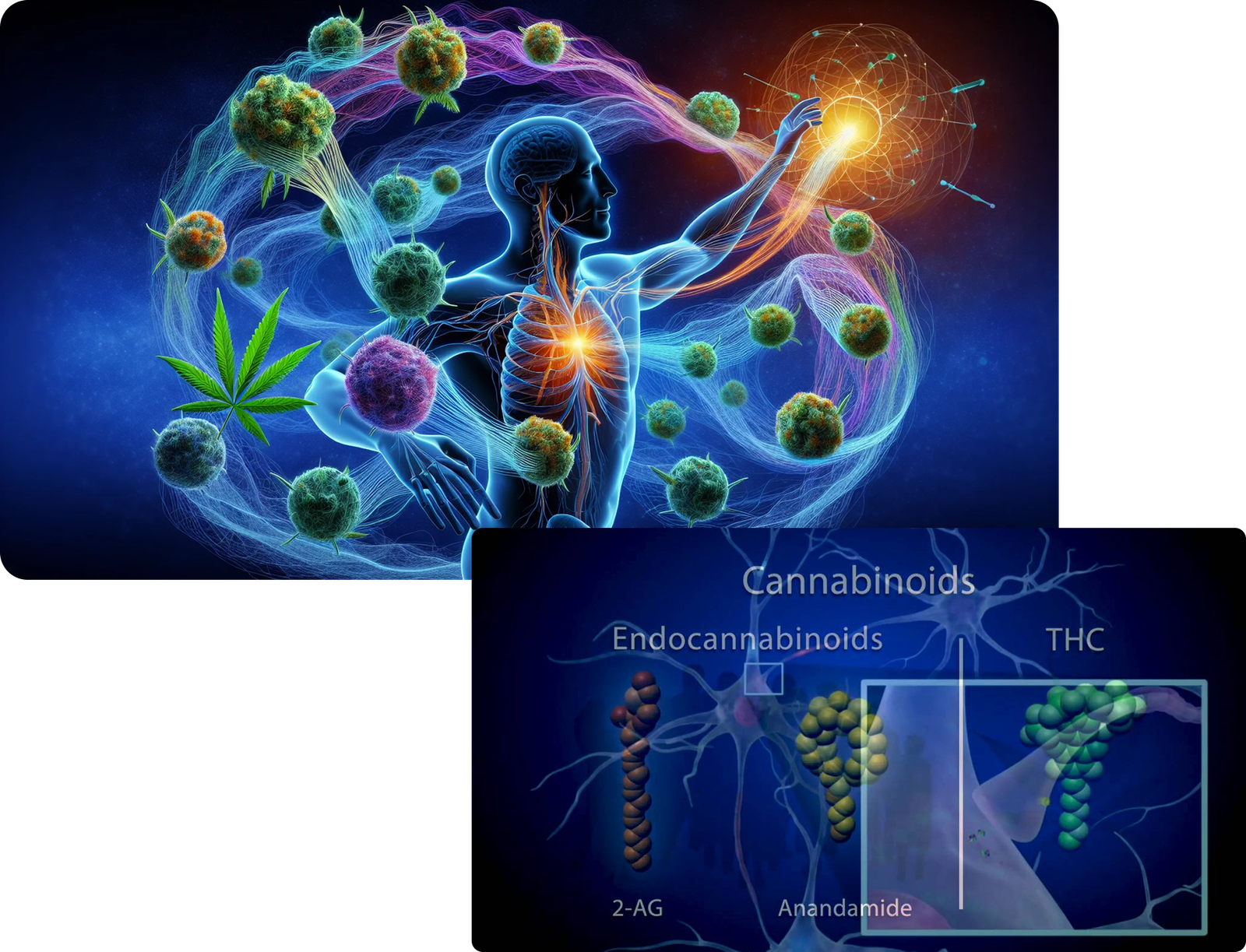
Many people assume that because cannabis is a natural plant, it cannot negatively affect the body’s internal systems. While cannabis compounds are naturally occurring, the way they interact with the Endocannabinoid System (ECS) is complex.
While this concept helped advance cannabinoid science, our years of formulation and real-world testing revealed something deeper.
One of the most studied examples involves chronic exposure to high levels of THC, the primary psychoactive compound in cannabis.
THC acts as a partial agonist of CB1 receptors, which are highly concentrated in the brain and central nervous system. With repeated high-dose exposure, the body may respond by reducing receptor availability through a natural protective process known as CB1 receptor downregulation.

What Happens During Chronic THC Overstimulation

When CB1 receptors are repeatedly stimulated by high levels of THC over long periods:

1. Receptor Internalization Begins

CB1 receptors can begin to move inward from the cell surface in a process known as receptor internalization.

2. Fewer Active Receptors Remain Available

As receptors move inside the cell, fewer remain on the cell surface to receive signals.

3. ECS Signaling Becomes Less Efficient

Because fewer receptors are available, communication within the Endocannabinoid System may become less responsive.

4. Tolerance Develops

Over time, individuals may need increasingly larger amounts of THC to achieve the same effect. In simple terms, the body is attempting to protect itself from constant overstimulation. Rather than allowing receptors to remain continuously activated, the body temporarily reduces receptor availability, which can alter ECS signaling sensitivity.
The Good News: The ECS Can Reset

The Endocannabinoid System is highly adaptable. Research suggests that CB1 receptor downregulation seen in chronic cannabis users is reversible when THC exposure is reduced or stopped.

When THC use pauses:

Studies suggest that noticeable recovery can begin within a few days, with more substantial normalization occurring within 2–4 weeks.

Because of this, some individuals choose to take short tolerance breaks from THC.

Even a 2–14 day period of abstinence may allow CB1 receptors to begin restoring more normal signaling responsiveness.

Why Balanced ECS Support Matters

This adaptive behavior highlights an important principle:

The Endocannabinoid System regulates many biological processes beyond CB1 and CB2 receptors, including:
Supporting these interconnected pathways can allow the ECS to function more effectively without forcing excessive stimulation of a single receptor system.

A Smarter Approach to ECS Support

Rather than relying on a single dominant compound, ECS Therapy formulations combine:

Together these ingredients may help support multiple biological pathways connected to ECS signaling, promoting balance rather than overstimulation

Ways to Naturally Support Your Endocannabinoid System at Home

Naturally supporting the Endocannabinoid System (ECS) involves lifestyle and dietary strategies
that help increase natural endocannabinoid levels, support receptor sensitivity, and reduce
inflammatory signaling.
Ways to Naturally Support Your Endocannabinoid System at Home

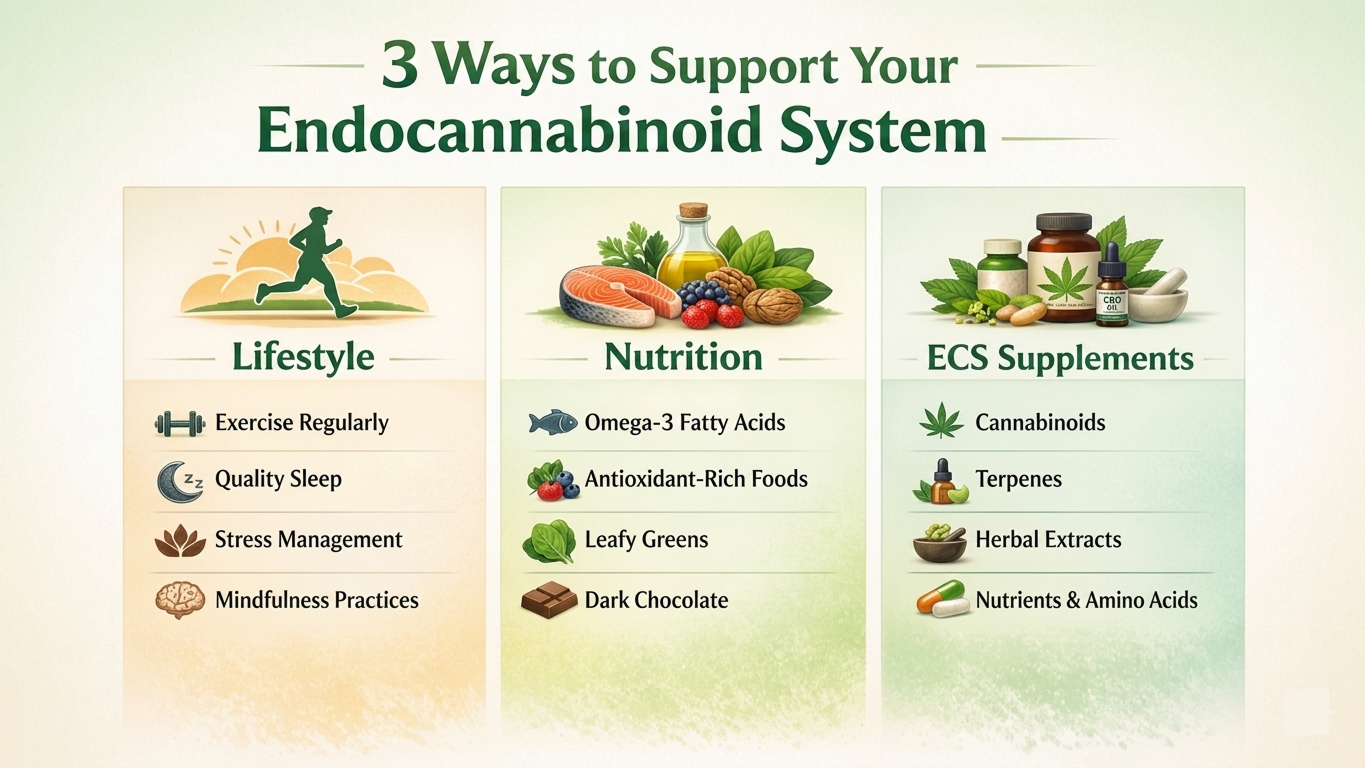
Naturally supporting the Endocannabinoid System (ECS) involves lifestyle and dietary strategies that help increase natural endocannabinoid levels, support receptor sensitivity, and reduce inflammatory signaling.
Research suggests several daily habits may help promote healthy ECS activity, including
Regular exercise, consuming omega-3 fatty acids, managing stress through mindfulness practices, optimizing sleep quality, and utilizing plant compounds such as cacao or herbs rich in β-caryophyllene.
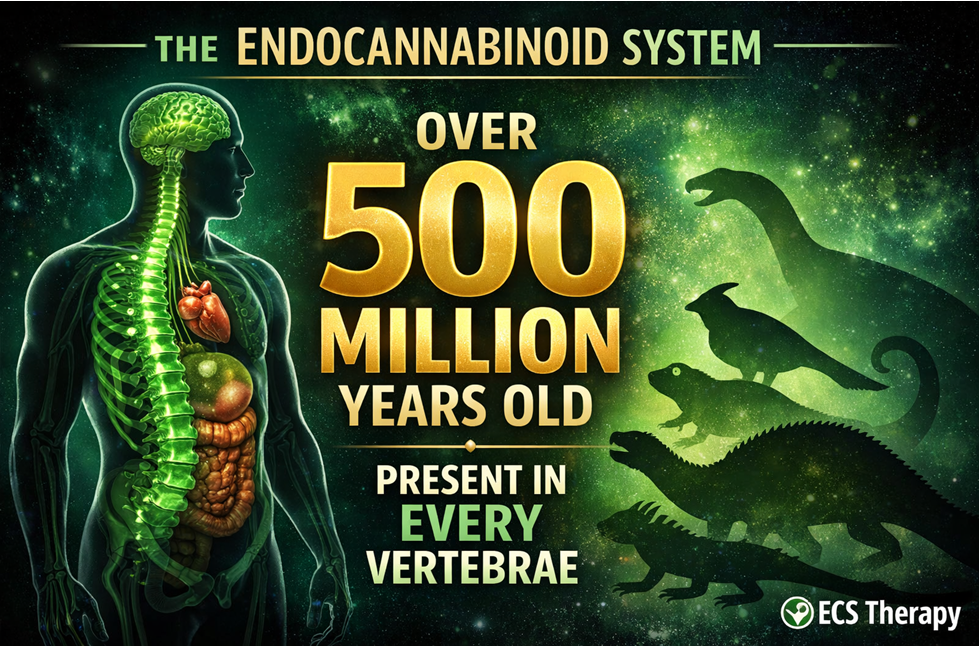
Scientists believe the Endocannabinoid System evolved more than 500 million years ago and is present in all vertebrate species, helping the body maintain homeostasis, or internal balance.

The ECS plays a regulatory role in many physiological functions, including:
When the ECS is functioning properly, the body is better able to adapt, regulate, and recoverfrom everyday stressors.

Modern lifestyles, however, can sometimes challenge this system.

Fortunately, there are several ways to naturally support ECS function at home.

1. Lifestyle Habits That Support ECS Function

Daily lifestyle habits play a major role in supporting healthy ECS signaling.

Exercise

Moderate physical activity increases the body’s natural endocannabinoids such as anandamide, sometimes referred to as the “bliss molecule.”
This is part of what produces the well-known runner’s high.

Regular exercise may support:
Even 20–30 minutes of daily activity may stimulate ECS signaling.

Quality Sleep

Sleep and ECS signaling are closely connected. Poor sleep can disrupt the body’s regulatory systems and increase inflammatory activity.

Healthy sleep habits include:
Even 20–30 minutes of daily activity may stimulate ECS signaling.

Stress Management

Chronic stress may reduce endocannabinoid signaling.

Helpful stress-reducing practices include:
Even small daily practices may help restore balance within the system.

2. Nutrition That Supports Endocannabinoid Production

Nutrition provides many of the building blocks needed for the ECS to function properly.

Omega-3 Fatty Acids

Omega-3 fats are essential for producing healthy endocannabinoids.

Sources include:

Polyphenols & Antioxidants

Plant compounds may help support cellular signaling and inflammation balance.

Examples include:
Certain plant compounds, including β-caryophyllene, may interact with ECS receptors involved in inflammation signaling.

Whole Food Nutrition

A diet rich in whole foods supports many biological pathways connected to ECS signaling. Highly processed diets and nutrient deficiencies may contribute to system imbalance.

3. Targeted Endocannabinoid System (ECS) Supplements

In addition to lifestyle and nutrition, some individuals choose to support the ECS with targeted supplements designed to interact with ECS pathways.

These formulations may include combinations of:
Together, these ingredients may support multiple biological pathways connected to ECS signaling.

This layered formulation strategy forms the foundation of Endocannabinoid System (ECS) supplements, an emerging category focused on supporting the body’s natural regulatory network.
The ECS Support System

The 3-Layer ECS Modulation System™

Targeting the Endocannabinoid System Through a 3-Layered Approach combining high potency cannabinoids , terpenes and botanical compounds.
ECS Therapy is pioneering a new category of ECS supplements designed to support the body’s core regulatory network—the endocannabinoid system (ECS).

Cannabinoids

Plant-derived cannabinoids may interact with ECS receptors and signaling pathways.

Terpenes

Certain terpenes such as: β-caryophyllene linalool limonene
May influence ECS-related pathways and inflammatory signaling.

Botanicals Compounds

Botanicals, amino acids, and minerals help support additional biological pathways connected to ECS regulation. Together, this multi-pathway strategy forms the basis of the ECS Therapy formulation philosophy.

After reaching limitations using cannabinoids alone, we expanded our approach using botanical compounds inspired by traditional medicine systems.
This allowed for more complete and consistent results.

The Bigger Picture

Supporting the ECS is not about relying on a single solution.
The most effective approach combines:

Together these strategies help support the body’s ability to maintain balance, resilience, and overall well-being.

Scientific References

1. Fuss, J., et al. (2015).

A runner’s high depends on cannabinoid receptors in mice. Proceedings of the National Academy of Sciences.

2. Watkins, B. A., et al. (2010).

Omega-3 fatty acids and the endocannabinoid system. Nutrition Reviews.

3. Gertsch, J., et al. (2008).

Beta-caryophyllene is a dietary cannabinoid. Proceedings of the National Academy of Sciences.

4. Elphick, M. R. (2012).

The evolution and comparative neurobiology of endocannabinoid signalling. Philosophical Transactions of the Royal Society B.

5. Lu, H. C., & Mackie, K. (2016).

An introduction to the endogenous cannabinoid system. Biological Psychiatry.

The Scientists Who Made This Possible

Dr. Raphael Mechoulam

The Godfather of Cannabis Research Isolated and synthesized THC and CBD, fundamentally reshaping our understanding of cannabinoids and discovering the endocannabinoid system itself. Without Dr. Mechoulam’s foundational work, none of this would exist. When he responded to my email in May 2019 with his clinical trial data, he gave me the blueprint for what ECS modulation could be.

Dr. Ethan Russo

Demonstrated that terpenes and cannabinoids work synergistically, proving that “the sum of all the parts” is greater than isolated components. His 2016 paper “Beyond Cannabis: plants and the endocannabinoid system” expanded the conversation beyond a single plant—showing that the ECS is larger than cannabis alone. His research directly supports what we’re doing.

Dr. Sue Sisley

The Advocate for Real-World Science Conducted the first FDA-approved randomized controlled trial assessing the safety and efficacy of cannabis in military veterans with PTSD, fighting federal barriers to conduct rigorous clinical research on whole-plant medicine. Dr. Sisley’s persistence—filing lawsuits against the DEA, breaking the federal monopoly on cannabis research—proved that real-world cannabinoid research matters more than pharmaceutical shortcuts.
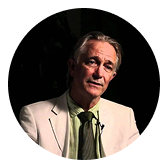
Dr. William Courtney

Pioneer of Raw Cannabinoid Research First to systematically study THCA, CBDA, and other raw cannabinoid precursors, demonstrating that cannabinoids in their natural (non-heated) form have therapeutic potential superior to decarboxylated forms at lower doses. His work expanded my understanding of the complete cannabinoid spectrum and why Phase 2 formulations will use raw cannabinoid compounds alongside decarboxylated forms.

Dr. Shimon Ben-Shabat

Co-Discoverer of the Entourage Effect Collaborated with Dr. Mechoulam in 1998 to propose the concept that compounds work better together than in isolation. This foundational principle—botanical synergy—is the entire philosophy behind ECS Therapy’s three-layer approach.

Dr. Dustin Sulak

Pioneer of Clinical Cannabinoid Medicine & Patient-Centered Education Founded Integr8 Health (serving 8,000+ patients with medical cannabis) and Healer.com, providing rigorous education on the endocannabinoid system and clinical cannabinoid protocols. His work bridges the gap between scientific research and real-world patient application. I studied his comprehensive courses on ECS science, cannabinoid dosing, and condition-specific treatment guidelines—education that became foundational to how I approach formulation and patient outcomes. Dr. Sulak’s emphasis on “using the correct dose” and understanding the ECS at every level directly informed ECS Therapy’s precision approach.