

Entourage Effect vs ECS Modulation

Why ECS Therapy Formulas Take a Broader Approach

Introduction

Over the past decade, cannabinoids like CBD have become widely known for their potential to support sleep, stress response, inflammation balance, and overall wellness. Much of the conversation around cannabinoids has centered on something called the Entourage Effect.
The entourage effect suggests cannabinoids work better when combined with other compounds naturally found in the cannabis plant. While this concept helped advance cannabinoid science, our years of formulation and real world testing revealed something deeper.
The Endocannabinoid System (ECS) is not influenced by cannabinoids alone.
It is a complex biological signaling network involving receptors, enzymes, neurotransmitters, and cellular pathways throughout the body.
To meaningfully support this system, a broader strategy is required.

At ECS Therapy, we refer to this approach as ECS Modulation.

The Entourage Effect

The Entourage Effect: A Significant Step Forward

When CB1 receptors are repeatedly stimulated by high levels of THC over long periods:
The entourage effect was first proposed in 1998 by Israeli researchers Raphael Mechoulam and Shimon Ben-Shabat. The concept suggests that cannabinoids and other compounds in the cannabis plant work better together than when isolated and used alone. In simple terms: when cannabinoids and terpenes work together, “2 + 2, instead of equaling 4, it gives you an 8 in terms of the benefit,” as Dr. Ethan Russo famously explained. This observation—that cannabis compounds create greater effects working together than separately—was a genuine breakthrough in cannabis science.

Dr. Ethan Russo’s Research: The Foundation

Dr. Ethan Russo, a leading cannabinoid researcher, took Mechoulam’s theory further. In his landmark 2011 paper “Taming THC: potential cannabis synergy and phytocannabinoid terpenoid entourage effects,” published in the British Journal of Pharmacology, Russo systematically documented how different cannabinoids and terpenes work synergistically.

His research demonstrated that cannabis compounds do indeed modulate each other’s effects, and Russo’s work became foundational to understanding cannabinoid synergy.

The Limitation: Entourage Effect Operates Within One System

Here’s the critical insight:

The entourage effect describes interactions between cannabis
plant compounds. Russo’s research is correct—these compounds do work synergistically within the plant’s chemical profile.

However, the Endocannabinoid System (ECS) extends far beyond what the cannabis plant alone can influence.

Consider what Russo himself emphasized in his research: Terpenoids “display unique therapeutic effects that may contribute meaningfully to the entourage effects of cannabis based medicinal extracts,” but he also noted that there are “at least 150 closely related molecules” that cannabinoids interact with, and “another echelon of phytotherapeutic agents, the cannabis terpenoids.

Russo’s work opened a door: if cannabis compounds alone produce synergistic effects, what happens when you combine cannabis compounds with other botanical agents specifically chosen to address different ECS pathways?

Why Russo’s Research Actually Supports ECS Modulation

In his 2016 paper, Dr. Russo expanded his thinking beyond cannabis alone. He titled it: “Beyond Cannabis: plants and the endocannabinoid system."

This is the key shift.

Russo’s research on terpenes and cannabinoids demonstrated a principle: multiple compounds working on multiple pathways simultaneously produce better outcomes than single compounds alone.

The entourage effect proves this within cannabis. But the ECS itself is broader than cannabis.
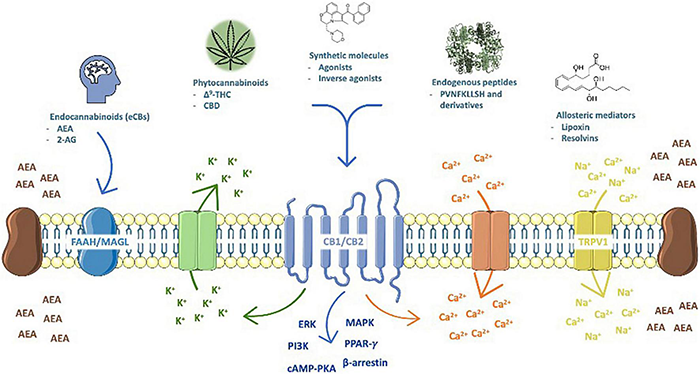
The ECS includes:

Dr. Ethan Russo’s Research: The Foundation

Entourage Effect:

Cannabinoids + Terpenes (from cannabis plant) working synergistically

ECS Modulation:

Cannabinoids + Terpenes + Botanical Compounds (from multiple sources) activating multiple ECS pathways simultaneously
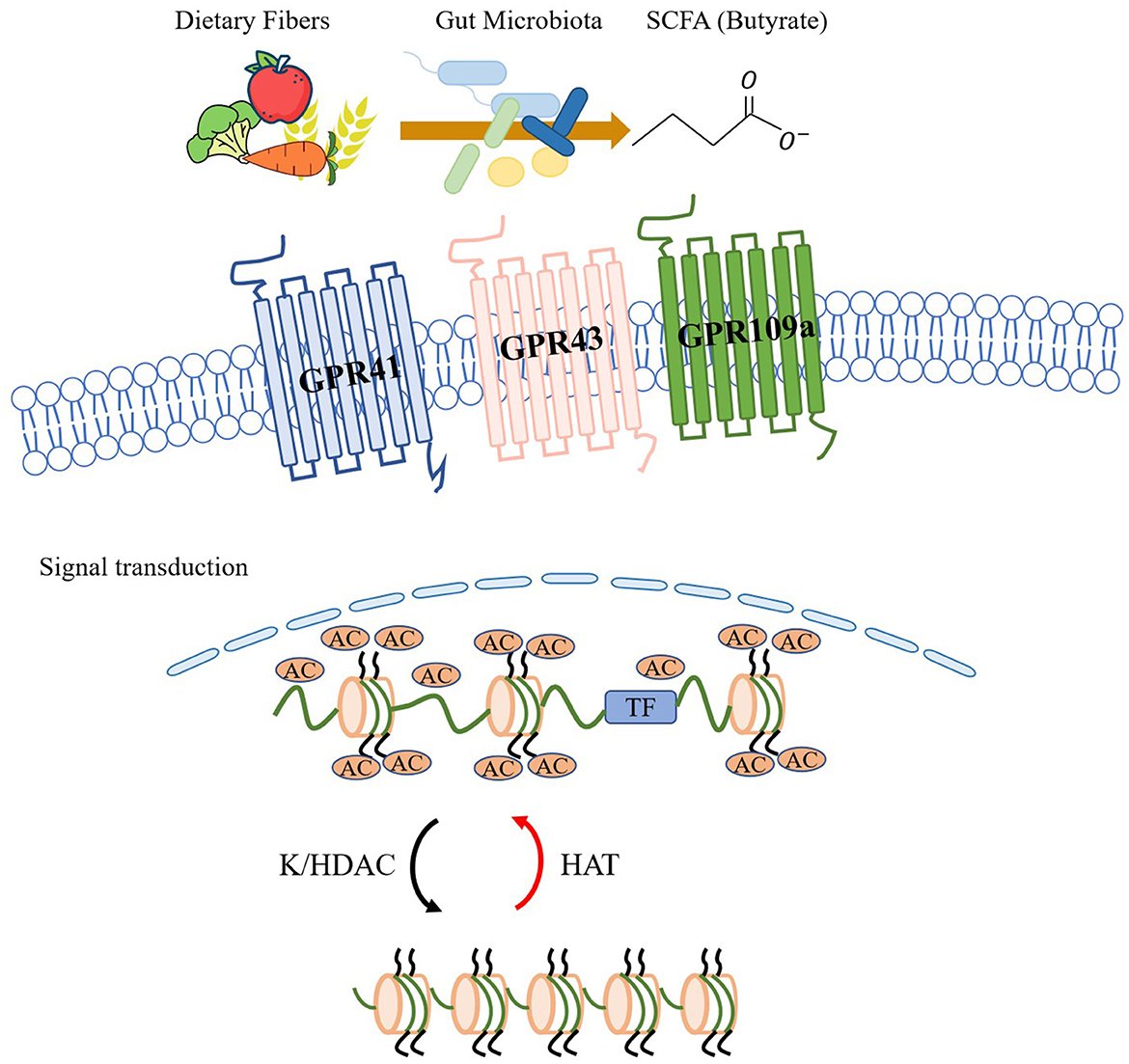
Russo’s research demonstrates that synergy works. His later work suggests that the ECS is larger than cannabis alone. ECS Modulation applies this principle systematically across the entire endocannabinoid system, not just within one plant’s chemistry.

ECS Modulation: A Broader Approach

ECS Modulation: The Complete Picture

ECS Modulation means activating multiple receptor systems and biochemical pathways simultaneously, using cannabinoids + terpenes + botanical compounds specifically chosen to work together.
It’s the natural evolution of cannabis science: starting with single cannabinoids, advancing to the entourage effect (cannabinoids + terpenes), and now recognizing that the ECS is larger than any single plant.While this concept helped advance cannabinoid science, our years of formulation and real-world testing revealed something deeper.
The Endocannabinoid System is found throughout the entire body—in the brain, organs, connective tissues, glands, and immune cells. In each location, it performs different tasks, but the goal is always the same: homeostasis—maintaining internal stability.
To support this system effectively, we need to address it at multiple levels simultaneously. That’s ECS Modulation.
The ECS Support System

The Three Layers of ECS Modulation

Cannabinoids

A weighted blend of CBD, CBG, CBC, and CBN work on CB1 and CB2 receptors throughout the body, providing the foundational ECS signal that initiates the cascade of beneficial effects.

Terpenes

Beta-caryophyllene, linalool, myrcene, and other terpenes enhance cannabinoid absorption, modulate receptor sensitivity, and activate additional therapeutic pathways.

Botanicals Compounds

Boswellia (5-LOX pathway), Kava (GABA signaling), Magnolia (stress response), NAC (oxidative stress), and other botanicals target different physiological systems, creating a comprehensive multi-pathway approach.

Example: Got Stress Capsules

This formulation activates: CB1/CB2 receptors + GABA signaling + serotonin pathways + mitochondrial energy production = comprehensive nervous system support.

Every capsule is formulated with no unnecessary fillers. Just the active ingredients you need, at the potencies that work.
Why This Matters

The Difference Between Single-Layer and Multi-Layer Support

The difference in real-world outcomes is significant.
Single-compound supplements help some people. ECS Modulation formulations—with botanicals, terpenes, and cannabinoids working together—show faster, more reliable, longer-lasting results in our 2000+ patient testing.

This is what real ECS support looks like. No fillers. No shortcuts. Just the compounds that work.

The Future of ECS Supplements

The Category Is Shifting

As ECS science advances, single-compound supplements will look as outdated as single nutrient vitamins. The future of ECS support is multi-pathway activation. The future is botanical synergy. The future is understanding that the endocannabinoid system is vast, complex, and responsive to comprehensive support. ECS Therapy is pioneering that category.

Phase 2 - Complex Conditions

What’s Coming:

We’ve finalized formulations for:

Expected availability: Q3/Q4 2026

Phase 1 members will get early access.

Our compliance department is conducting thorough regulatory review to ensure full coverage. When products of this clinical significance launch, we expect to draw considerable attention—and we’re being meticulous about our regulatory footing

FOOTER TRIBUTE: Standing on the Shoulders of Giants

I Didn’t Invent the Wheel. I Put Spinners On It.

ECS Therapy exists because brilliant scientists spent decades—often against tremendous obstacles—uncovering the mysteries of cannabinoids and the endocannabinoid system. I didn’t discover the science. I applied it. I didn’t invent cannabinoids. I combined them strategically. I didn’t prove botanicals work with cannabinoids. Centuries of healing traditions and modern research showed me the path.
What I did do: I stood on the shoulders of giants and built something new from what they discovered.

What I Did Do

I applied modern ingenuity and ancient traditions and built something new: ECS Supplements.

Experience ECS Modulation

Start your 7-day evaluation and feel the difference that multi-pathway ECS support makes.

Scientific References

Russo, E. B. (2011). Taming THC:

potential cannabis synergy and phytocannabinoid terpenoid entourage effects. British Journal of Pharmacology, 163(7), 1344-1364.

Russo, E. B. (2016). Beyond Cannabis:

plants and the endocannabinoid system. Trends in Pharmacological Sciences, 37(7), 594-605.

Mechoulam, R., & Ben-Shabat, S. (1999).

From plant cannabis to cannabinoid drugs and back. Proceeding of the Iberian Pharmacology Society, P79.

Ben-Shabat, S., Fride, E., Sheskin, T., et al. (1998).

An entourage effect: inactive endogenous fatty acid glycerol esters enhance 2-arachidonoyl-glycerol cannabinoid activity. European Journal of Pharmacology, 353(1), 23-31.